Making Connections in the Children’s Adventure Garden
While our education programs are constantly changing with new content and offerings, the Dallas Arboretum is also fortunate to have a temporary exhibit space in the Children’s Adventure Garden, the Nature Wall. This space, composed of one-foot and two-foot square, backlit cubes, has been the home to dinosaur fossils, python skins, sand from around the world and even honeybees.
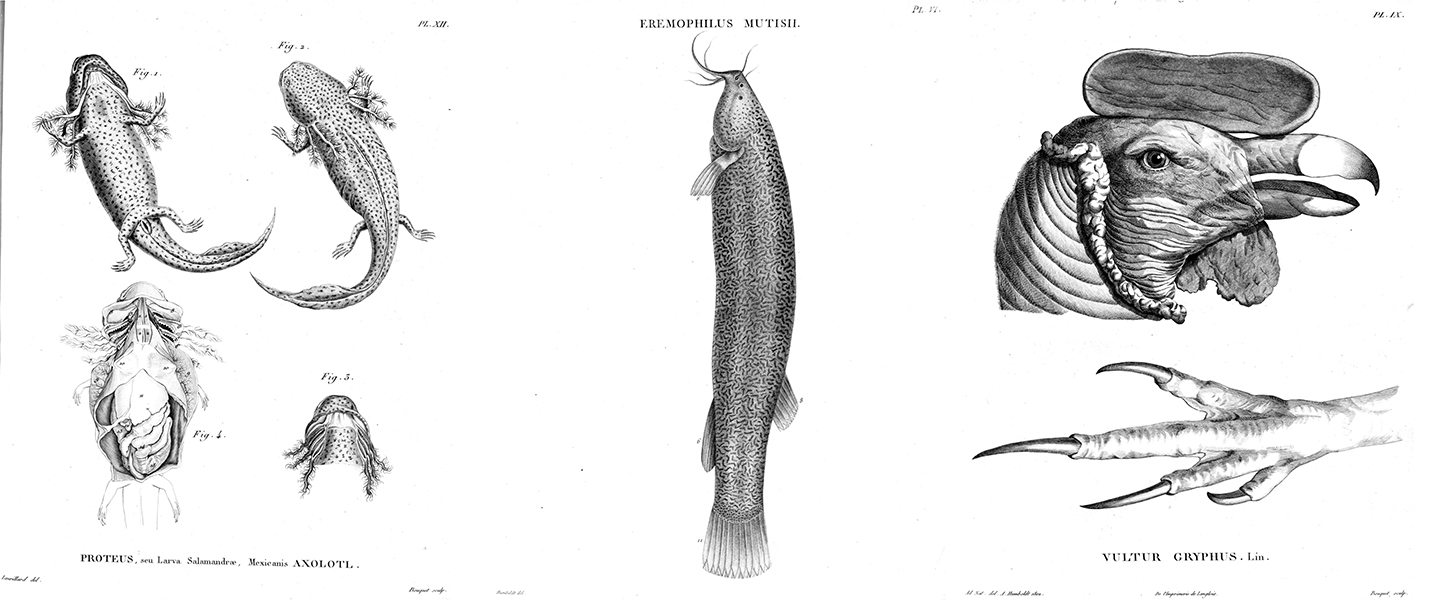
This season’s exhibit, Humboldt 250: Inspired by Nature, is the result of a chance meeting with Quito-based biologist Adrián Soria on my first trip to the Galapagos Islands with SMU and the Galapagos Conservancy two summers ago. The exhibit celebrates the 250th anniversary of the birth of Alexander von Humboldt, the forefather of scientific investigation and exploration as we know it today.
I invite you to learn a bit more about the exhibition, and then, to come see it in person from now through July 5th.
Origins of the exhibit
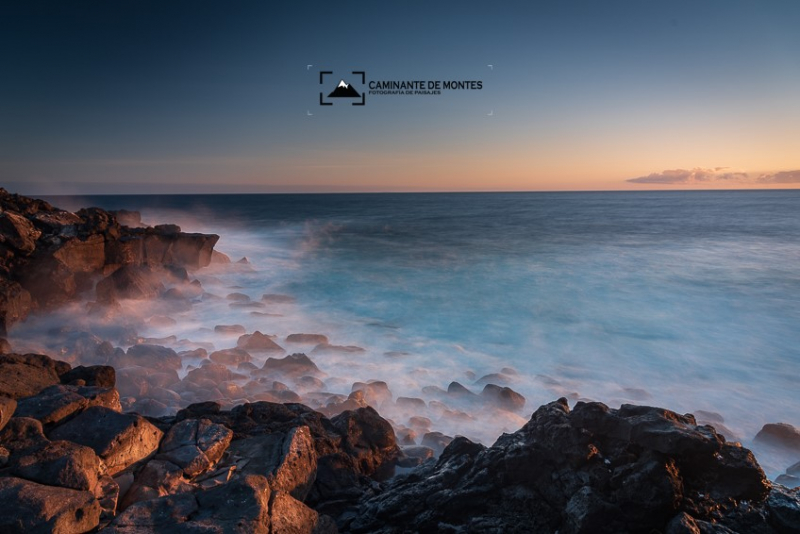
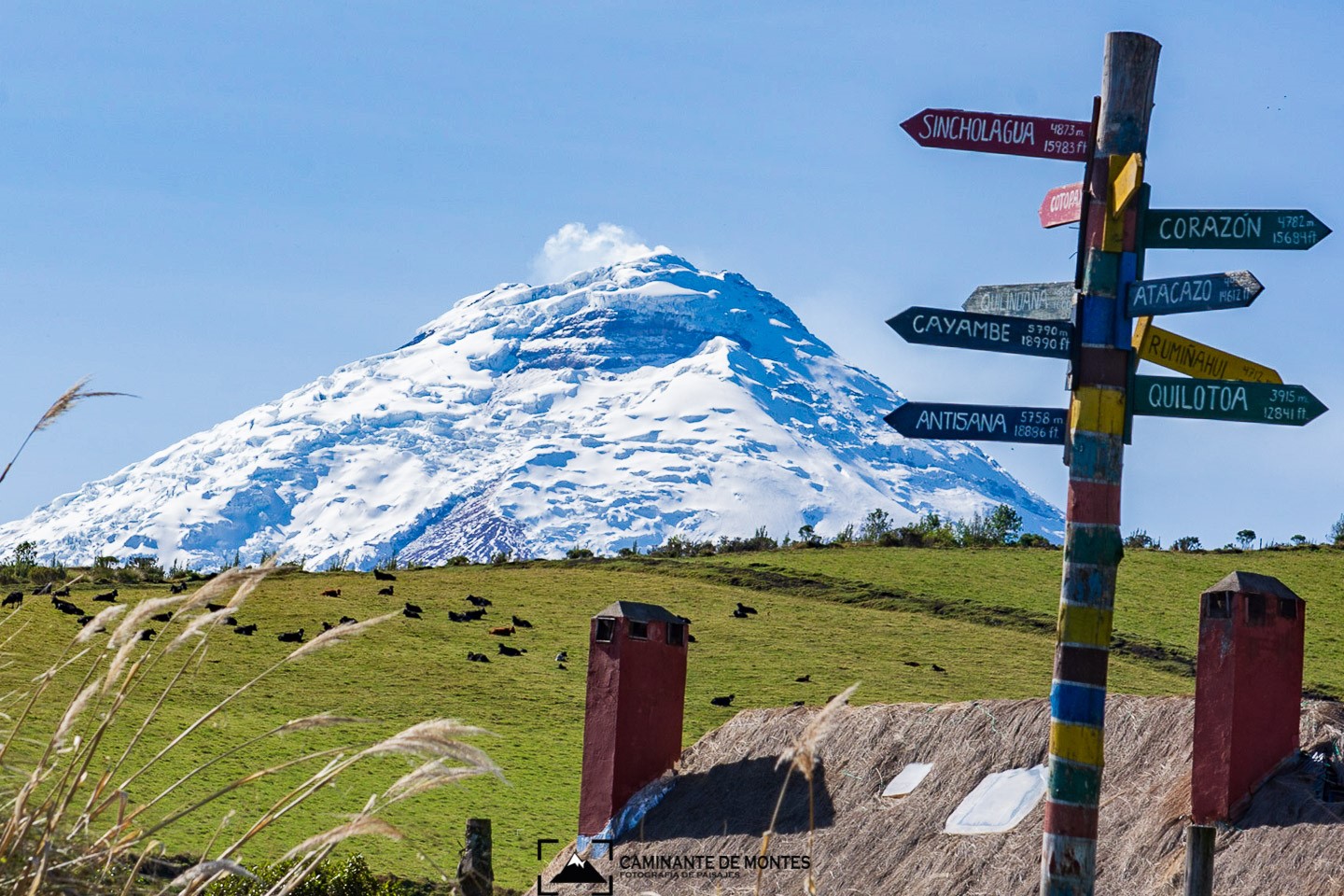
Adrián Soria has served on the Galapagos Conservancy’s Education for Sustainability project as a trainer with the high school teachers in the Galapagos. This team of educator/trainers has included a number of personnel from academic institutions across the United States and Ecuador, including Stanford, NC State and SMU, amongst others. Soria, hailing from Quito, is trained as a high school biology teacher, but he is also a professional photographer that works under the moniker Caminante de montes, or Mountain Walker. His passion is the Ecuadorian landscape, including volcanoes, pastures and culture.
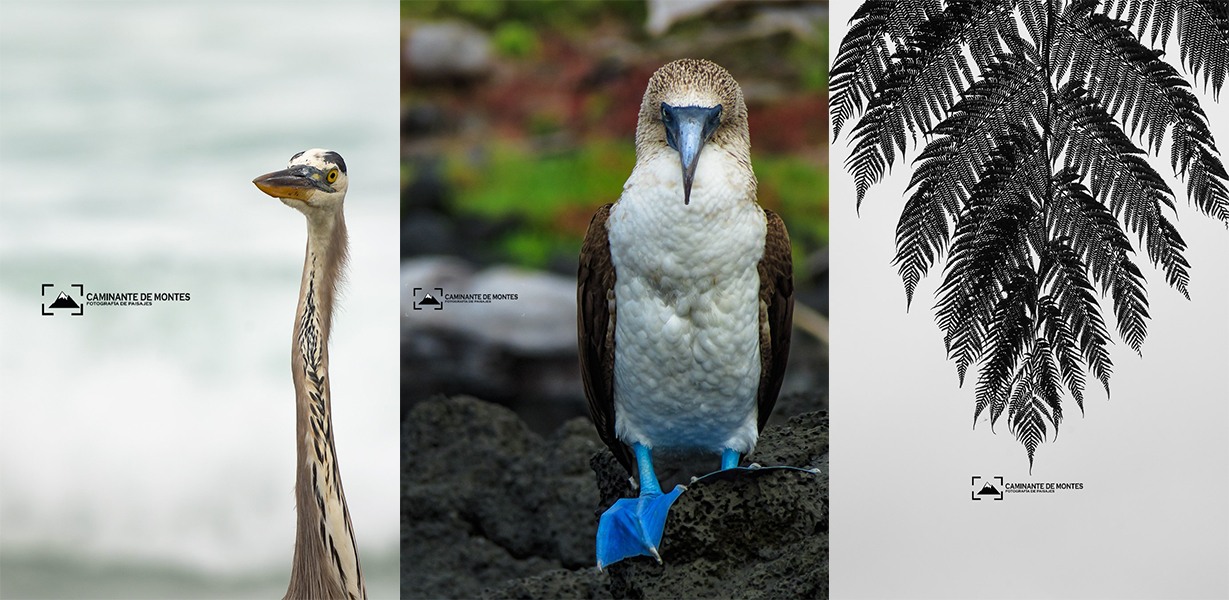
Adrián Soria’s work covers the breadth of Ecuadorian ecosystems
Thus, on a visit to the Arboretum last fall, Adrián presented me with the idea of offering a photographic exhibition at the garden that he had already planned to present throughout multiple sites in Ecuador in conjunction with the 250th anniversary of Humboldt’s birth. The Humboldt connection in Ecuador is strong as he spent a number of years studying the famous Avenue of the Volcanoes, the namesake of his photographic collection.